

Reflecting on Washington, Lincoln, and civic responsibility.
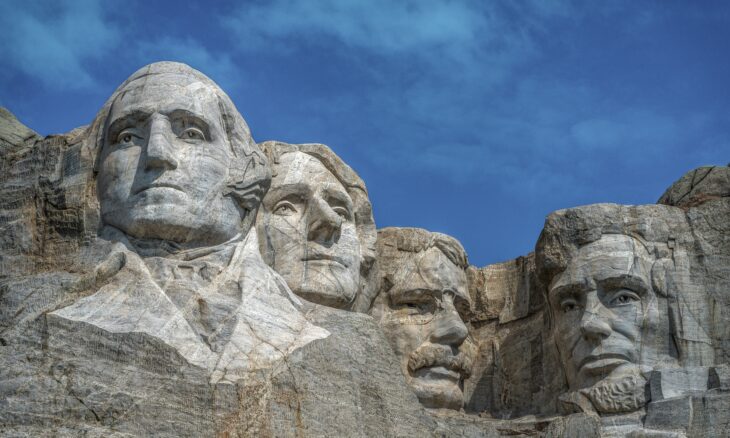
Presidents’ Day occupies an unusual place in the American calendar. Unlike holidays tied to a single event or victory, this day invites reflection on leadership itself, specifically how power is exercised, restrained, and remembered over time. Originally established to honor George Washington’s birthday, this observance gradually expanded to include a broader view of the presidency, prompting questions not only about who is remembered, but also why.
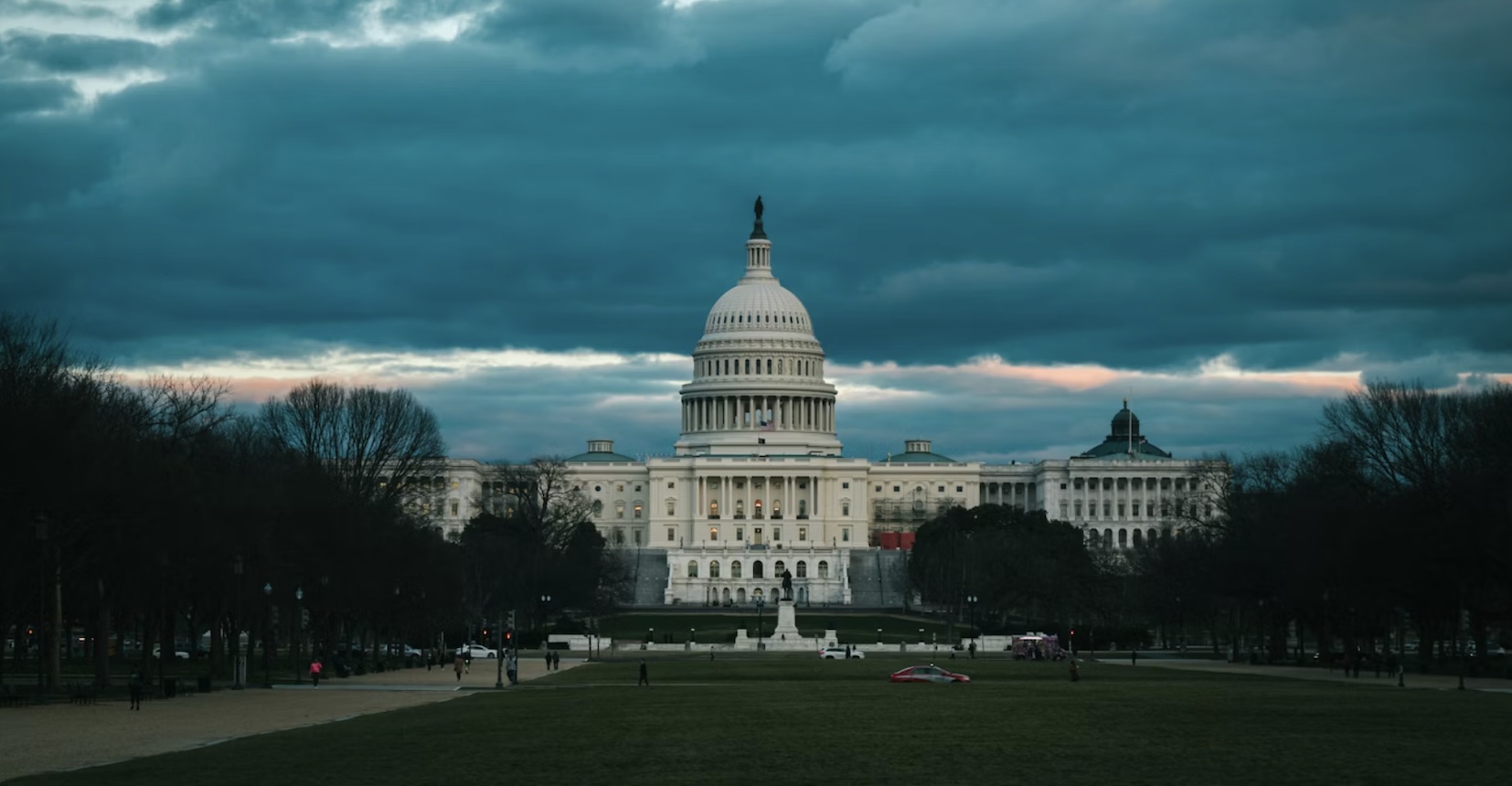
The holiday’s roots reach back to the early republic. Washington’s Birthday was informally observed throughout the nineteenth century and became a federal holiday in 1879. In 1971, the Uniform Monday Holiday Act moved the observance to the third Monday in February, contributing to the more generalized label “Presidents’ Day,” though the federal government still officially recognizes it as Washington’s Birthday. This evolution reflects a shift in national memory, one of honoring a singular figure to considering the presidency as an institution shaped by many individuals.
That shift can carry both opportunity and risk. Broad remembrance can encourage deeper civic reflection, but it can also blur historical distinctions. Examining Washington and Abraham Lincoln together helps restore focus, not on symbolic perfection, but on how leadership operates under pressure and constraint.
George Washington’s presidency established expectations that were not inevitable. At the close of the Revolutionary War, he resigned his military commission rather than consolidating power, which was a decision widely noted in both American and European circles. Later, as president, he declined calls to assume monarchical authority and voluntarily stepped down after two terms. These choices reinforced the idea that leadership in a republic was temporary and accountable, not self-perpetuating.
Washington’s Farewell Address further clarified his concerns. He warned against the dangers of concentrated power and political factionalism, arguing that unity and restraint were essential to sustaining self-government. While the address reflected its own historical context, its central premise was procedural rather than partisan: durable governance depends on limits observed even when restraint is inconvenient.
Lincoln confronted a different crisis but struggled with similar questions of power. The Civil War tested the survival of the Union and placed extraordinary authority in the presidency. However, as the conflict neared its end, Lincoln resisted calls for retribution. His Second Inaugural Address emphasized accountability, humility, and reconciliation, urging the nation to proceed “with malice toward none; with charity for all.”
This posture was controversial even in Lincoln’s own time. Many expected a decisive moral reckoning through punishment. Lincoln’s approach, however, reflected a long view of national repair rather than immediate political satisfaction. His leadership demonstrated that restraint could coexist with resolve and that authority need not be asserted through vengeance to be effective.
Taken together, Washington and Lincoln illustrated a shared understanding of leadership marked by humility, limits, and continuity. Both recognized that power exercised without restraint risks undermining the very system it seeks to protect. Such qualities are often difficult to reward in the moment, particularly in times of conflict, yet they shape institutional norms that outlast individual administrations.
Consequently, Presidents’ Day serves a purpose beyond celebration or commercial observance. It offers an opportunity to consider how leadership character influences civic stability. Studying past presidents in full context while acknowledging both achievements and failures helps avoid turning historical figures into static symbols detached from the realities they faced.
Enduring Lessons for Modern Leadership
Although their world differs greatly from our own, the principles Washington and Lincoln embodied continue to illuminate what the presidency requires today.
In a world shaped by instantaneous communication, global interconnectedness, and rapidly shifting expectations of leadership across every sector, the presidency today requires navigating pressures Washington and Lincoln never faced, yet their examples remain instructive. Modern presidents operate within a constitutional system designed to balance decisiveness with restraint, a structure that becomes even more vital amid technological acceleration and heightened public scrutiny.
In reflecting on these realities, we see that effective leadership still depends on patience, clarity of purpose, and fidelity to enduring institutions. Studying earlier presidents helps illuminate how thoughtful decision-making and a commitment to the common good can guide leaders through complexity without losing sight of principle. As the nation looks ahead, the world around the presidency will continue to evolve, but its core demands, judgment, responsibility, and respect for the limits that sustain democracy remain remarkably constant.
Why It Matters and How We Can Respond
As Christians, this history resonates with a broader biblical theme: authority exercised with humility and accountability. Scripture cautions that power is never self-justifying. “Whoever rules his spirit is better than he who takes a city” (Proverbs 16:32). Leadership shaped by restraint reflects wisdom rather than weakness.
This perspective invites prayer not for outcomes aligned with preference, but for character formed by patience and care. We can pray for leaders entrusted with authority to act with steadiness rather than impulse. We can also pray for ourselves, that our engagement with civic life would be marked by vigilance, truthfulness, and restraint in speech. “Let every person be quick to hear, slow to speak, slow to anger” (James 1:19).
Presidents’ Day lastly asks for thoughtful remembrance. It calls citizens, and believers in particular, to engage history carefully, speak responsibly, and hold authority within a wider moral horizon shaped by faithfulness rather than triumph.
HOW THEN SHOULD WE PRAY:
— Pray for the president, for federal, state, and local leaders, and citizens to have humility and seek to carefully listen to each other in civic conversations about leadership and power. Let every person be quick to hear, slow to speak, slow to anger. James 1:19
— Pray for God to give wisdom to all Americans, remember history honestly, without distortion or simplification. The wisdom from above is first pure, then peaceable, gentle, open to reason. James 3:17
CONSIDER THESE ITEMS FOR PRAYER:
- Pray for wisdom, clarity, and discernment for the president and every leader who carries responsibility for the nation.
- Pray for teachers, educators, and those who set education policy to work to maintain accuracy and care in how history is taught and discussed.
- Pray for those who are in authority to seek humility and transparency in public engagement.
Sources: Library of Congress, National Archives, National Constitutional Center
RECENT PRAYER UPDATES